
Recovery milestones carry deep meaning. They represent more than a number on a calendar. Each day reflects choices, challenges, growth, courage, and the continued decision to move forward.
For some readers, recovery is personal. Others may be supporting a loved one through addiction, celebrating someone’s progress, or grieving someone they have lost. Wherever you are in that journey, one thing should remain at the center of the conversation:
Compassion
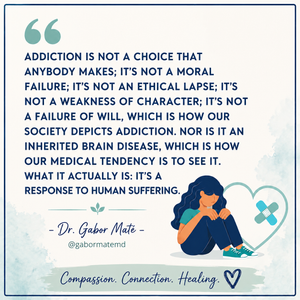
Addiction Is an Illness, Not a Moral Failing
One of the most damaging misconceptions about addiction is that it comes from poor character, bad decisions, or a lack of willpower.
Addiction is a complex, chronic illness that can affect the brain’s reward system, emotional regulation, decision-making, and response to stress. Genetics, trauma, mental health challenges, environment, and adverse life experiences can all influence a person’s vulnerability.
Substance use may begin for many different reasons, but no one sets out to become addicted. Treating addiction with blame and shame often pushes people further into isolation. Healing becomes more possible when judgment is replaced with understanding, appropriate care, and meaningful support.
Reducing the stigma surrounding substance misuse and mental illness allows more people to ask for help without feeling that they must hide what they are experiencing.
Recovery Is More Than Abstinence
Sobriety is an important part of recovery, but recovery involves much more than simply stopping the use of a substance.
It is the ongoing process of rebuilding a life.
Recovery can include learning healthier ways to manage stress, facing difficult emotions without trying to numb them, repairing relationships, developing new routines, rebuilding trust, and rediscovering a sense of identity and purpose.
This process is rarely simple or predictable. As an important reminder says:
Healing isn’t linear
There may be progress, setbacks, confidence, uncertainty, difficult days, and moments of unexpected hope. None of these experiences erase the work that has already been done.
Every decision to continue matters.
Recovery Requires Courage
People walking through recovery often face challenges that others may never see.
They may experience physical discomfort, cravings, emotional pain, changes in relationships, uncertainty about the future, or the difficult task of rebuilding a life without the coping mechanism they once depended on.
Recovery requires the courage to ask for help, the patience to begin again when needed, and the determination to keep moving forward one day at a time.
That strength deserves to be recognized.
Healing Grows Through Connection
Recovery rarely happens in isolation. It is often strengthened through connection, accountability, support, and community.
That support may come from family members, friends, counselors, sponsors, recovery groups, healthcare professionals, peer-support programs, faith communities, or complementary wellness practices.
There is no single path that works for everyone. What matters is creating a network of support that helps the individual feel safe, respected, and less alone.
Healing often begins when shame begins to lose its grip and connection takes its place.
Supporting Someone in Recovery
Addiction also affects the people surrounding the individual.
Parents, spouses, partners, siblings, children, and friends may carry their own mixture of fear, hope, disappointment, frustration, love, and uncertainty. Supporting someone through addiction can require extraordinary patience and resilience.
It is important for family members and caregivers to remember that their well-being matters too.
Supporting someone does not mean ignoring personal boundaries, accepting harmful behavior, or carrying the entire responsibility for another person’s recovery. Loved ones also deserve counseling, support groups, rest, honest conversations, and compassion for themselves.
You cannot control another person’s recovery, but your encouragement and presence can still matter deeply.
Honoring Those We Have Lost
For those grieving someone lost to addiction, recovery conversations can be especially painful.
Addiction leaves a profound impact on individuals, families, and communities. Grief may include sadness, anger, unanswered questions, guilt, or thoughts about what might have been done differently.
There is no perfect way to carry that loss.
May those who are grieving find comfort in meaningful memories, peace in knowing their love mattered, and support from people who understand that addiction-related grief can be complicated and deeply personal.
A Celebration of Hope
Recovery stories do not erase the pain addiction can cause. They do, however, remind us that change is possible.
Every day of recovery represents effort. Every request for help represents courage. Every honest conversation helps weaken the stigma that keeps people silent.
Whether you are in recovery, supporting someone you love, grieving a loss, or simply hoping for a better tomorrow, may you be met with:
- Compassion instead of judgment
- Support instead of stigma
- Understanding instead of blame
- Hope instead of shame
Addiction is not a moral failing.
And every step toward recovery deserves to be recognized and celebrated.